
Softball Field Maintenance Tips You Need To Know
Keep your softball field game-ready with smart maintenance tips for infield care, turf health, drainage, and high-wear areas that affect safety and play.
If you’ve spent any time at Old Settlers Park, you know how much softball matters in Round Rock. The park’s five-field softball complex is part of why we’re called the Sports Capital of Texas, drawing tournaments that bring more than a hundred teams to town on a single weekend. Keeping fields like those in top shape — plus the diamonds at our local schools and neighborhood parks — takes steady, year-round care. Whether you help maintain a city complex, coach a youth league, or just appreciate a well-kept diamond, here’s a look at the habits that keep a softball field ready for play.
A great softball field doesn’t happen by luck. It takes steady work, smart timing, and attention to the little details that affect every inning. Players notice the difference right away when the infield feels level, the grass looks healthy, and the baselines stay crisp. Coaches notice it too when practice runs smoothly, and bad hops don’t derail drills. Fans may not name every maintenance task, but they can tell when a field looks sharp and plays well.
Field care also protects your investment. Dirt, grass, fencing, and equipment all last longer when you handle routine upkeep before small problems grow into expensive repairs. Good maintenance also helps keep players safer, which matters at every level of the game. Whether you manage a school field, a park, or a community complex, a few consistent habits can make a big difference over the course of a season. These are the softball maintenance tips you need to know.
Start With a Routine
The best maintenance plan starts with consistency. When you treat field care like a regular part of the schedule instead of a last-minute chore, the work becomes more manageable. Daily, weekly, and seasonal tasks all play a role, and each one supports the next.
A daily routine often includes dragging the infield, checking the mound and batter’s boxes, picking up trash, and walking the warning track and foul territory for debris. These small jobs don’t take long, but they keep the field looking polished and help you catch issues early.
Weekly tasks usually involve deeper grooming. You may need to edge the grass lines, inspect irrigation, add conditioner to worn areas, and check fencing, dugouts, and bleachers. Seasonal work goes even further. That may include aerating turf, reseeding thin spots, repairing drainage, and restocking supplies before heavy use begins. When you follow a routine, you won’t scramble before every game.
Focus on the Infield
The infield demands close attention because it sees the most wear. Players sprint, slide, pivot, and cut across the dirt every day, so the surface changes quickly. If you ignore the infield for even a short stretch, ruts, low spots, and hard patches can develop.
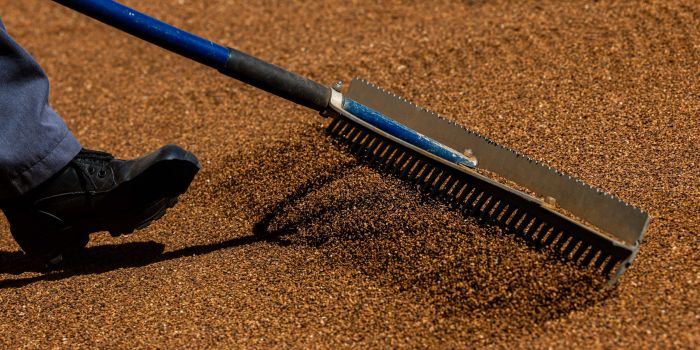
Start by dragging with care. You want a smooth, even surface, but you don’t want to move too much material away from key areas. Drag patterns should vary so you don’t create grooves or shift dirt in one direction over time. Hand rake around bases, edges, and home plate where large equipment can’t do precise work.
Moisture matters just as much as grooming. Dry infields can become dusty and hard, while overly wet dirt can turn sticky and uneven. Watering the infield at the right times helps maintain a playable texture. You want the dirt to hold together without becoming muddy. That balance can change with the weather, so field crews need to adapt instead of following the same exact pattern every day.
You should also monitor the areas where grass meets dirt. When loose material builds up along the edge, water can collect, and bad hops can follow. Regular edging and cleanup keep transitions smoother and help the whole field drain better.
Keep Turf Healthy
Outfield grass shapes how the field looks, but it also affects play. Healthy turf helps ground balls move predictably, cushions foot traffic, and reduces the dusty appearance that comes from neglected areas. Grass care takes time, but strong habits pay off all season.
Mowing should stay consistent, and the blade height should match the type of grass and local growing conditions. Cutting too much at once can stress the turf and leave it weak. Sharp mower blades matter too because dull blades tear grass instead of cutting it cleanly.
Watering needs equal attention. Deep, thoughtful watering often works better than frequent shallow watering because it encourages stronger roots. You’ll also want to watch for signs of stress, such as discoloration, thinning, or compacted areas near common traffic paths.
Fertilizing and overseeding can keep the field full and vibrant, especially after heavy summer use. If certain areas wear down faster than others, rotate practice drills when possible so players don’t pound the same spots day after day. Turf recovery improves when traffic patterns shift instead of staying locked in place.
Protect High-Wear Areas
Some parts of a softball field break down faster than the rest. The batter’s boxes, catcher’s area, pitcher’s circle, and base paths take repeated impact, so they need more than general maintenance. If you wait until those spots look rough, you’ll have more work and a poorer playing surface.
Add clay or other suitable material to high-wear areas before holes deepen. Tamp and level the surface so players don’t face unstable footing. Covering vulnerable spots during rain can also save a lot of repair time later. When you shop for covers, thinking about softball tarp sizes helps you match the field’s layout and the areas that need the most protection.
It also helps to inspect bases and anchors often. A loose base or unstable anchor creates a safety risk and can disrupt a game. Tighten hardware, clean out anchor systems, and replace worn components before they fail under pressure.
Don’t Ignore Drainage
Even a beautiful field can become frustrating if water lingers after rain. Poor drainage leads to puddles, soft spots, turf damage, and delayed games. It also creates extra labor because staff must spend more time removing water and repairing the surface.
Good drainage starts with grading. Water should move away from critical playing areas instead of settling in them. If certain sections always hold water, that pattern points to a deeper issue that grooming alone won’t solve. You may need to add material, reshape the surface, or address blocked drainage lines.
Keep drains, grates, and surrounding areas clear of leaves, trash, and infield mix. Water can’t move where it needs to go if debris blocks the path. Watch the warning track and edges because runoff often carries sediment into places where it can build up and interfere with flow.
After a storm, resist the urge to rush onto the field too soon. Foot traffic and equipment can do more damage to saturated ground than many people realize. A little patience can save hours of restoration work.
Maintain the Edges
Details around the edges often separate an average field from a well-kept one. Clean baselines, trimmed fence lines, neat transitions, and tidy dugouts all contribute to the field’s appearance and function. Players and visitors may focus on the diamond, but the surrounding spaces matter too.
Trim grass along fences, backstops, and dugout entrances so those areas don’t look overgrown. Remove weeds before they spread and compete with turf. Repaint foul poles and fencing when they start to look worn. Keep dugouts clean and stocked, and repair benches, bat racks, and gates as needed.
Warning tracks deserve regular attention as well. They should feel distinct from the grass and remain free of weeds and debris. When the surface stays loose and level, players can recognize the change underfoot and react more safely near the fence.
Use the Right Tools
Field care becomes easier when you have the right equipment and keep it in good shape. Drag mats, rakes, hoses, tampers, line markers, moisture tools, mowers, and blowers all serve different purposes. When any of them wear out or break down, maintenance quality often slips.
Clean tools after use and store them in a dry, organized space. Replace broken handles, sharpen blades, and inspect moving parts before problems sideline your work. A poorly maintained line marker or mower can undo a lot of effort in a hurry.
It also helps to train everyone who works on maintaining the field. Even simple tools require proper use. A crew that understands how to drag, water, mow, and repair surfaces correctly will protect the field better than a crew that guesses its way through the job.
Finish Strong After Every Game
Postgame maintenance may feel easy to postpone, especially after a long day, but it often sets up the next practice or game for success. A short cleanup right after play can prevent larger issues from developing overnight.
Rake and repair sliding areas, smooth out cleat marks, and cover vulnerable spots if rain threatens. Pick up trash, inspect fencing and gates, and check for damage in dugouts or spectator areas. If the infield needs moisture, water it before conditions worsen. If turf looks stressed, make a note so you can address it before the next event.
That habit keeps the field from declining one game at a time. It also makes the next round of maintenance faster because the crew won’t start from a mess.
Build a Better Playing Surface
Strong softball field maintenance comes down to discipline and detail. You don’t need flashy methods to keep a field in great shape, but you do need consistency. When you care for the infield, protect the turf, stay ahead of drainage problems, and repair wear before it spreads, the field will reward that effort with better play and a better appearance.
Players deserve a surface that supports their performance, and communities deserve facilities that reflect pride and care. With the right habits, a softball field can stay ready for practices, tournaments, and everyday play without constant crisis management. The work may never fully end, but the results make every pass with the rake and every hour on the mower worthwhile.
Of course, all that upkeep exists for one reason: the joy of game day. Once the field is groomed, the bases are set, and the lines are crisp, it’s time to grab a seat and take it all in. If you’re heading to a ballgame this season — whether it’s a local league or the Round Rock Express at Dell Diamond — don’t miss our guide to the rituals to expect at your first baseball game. The field is ready. Are you?