
Why Every Avid Angler Should Have a Pond on Their Property
Discover the benefits of owning a private fishing pond, from convenience and control to creating a personal relaxation spot. Learn how to get started.
For many, the joy of angling comes from the thrill of the chase, the patient wait, and the satisfaction of a successful catch. It’s a hobby that connects you with nature and provides a welcome escape from daily routines. Imagine having that experience just a few steps from your back door. Owning a private pond on your property completely transforms the angling experience, offering unparalleled convenience, control, and a personal sanctuary for relaxation. A backyard pond is more than just a water feature; it’s a year-round fishing destination tailored perfectly to you.
This post explores the many advantages of having your own fishing pond. We will cover everything from the sheer convenience it offers to the satisfaction of managing your own aquatic ecosystem. We will also touch on the practical steps of planning, building, and maintaining a healthy pond, giving you a clear picture of what it takes to bring this dream to life. For any serious angler, a private pond represents the ultimate upgrade to their passion.
The Unmatched Advantages of a Backyard Pond
Having a personal fishing spot offers benefits that public lakes and rivers simply cannot match. It elevates angling from a planned excursion to a spontaneous activity you can enjoy anytime. This immediate access is just the beginning of what makes pond ownership so appealing to a dedicated fisherman.
Convenience
The most obvious benefit of owning a pond is the unmatched convenience it offers. You no longer need to pack up your gear, drive for hours, or compete for a good spot along a crowded riverbank. Instead, you can grab your rod and head outside whenever the mood strikes. A spare 30 minutes before dinner can turn into a quick fishing session. You can spend a quiet Saturday morning casting a line without any travel time.
This accessibility means you can fish more often and on your own schedule, integrating your favorite pastime seamlessly into your daily life. It eliminates the logistical hurdles that can sometimes turn a relaxing hobby into a stressful outing.
Total Control
When you own the pond, you make the rules. You have complete control over the fish population, allowing you to create the exact angling environment you desire. You can choose which species to stock, from largemouth bass and bluegill to catfish and trout, depending on your climate and personal preference. This control extends to managing the size and health of the fish. You can implement feeding programs to help them grow larger and create a habitat that encourages breeding.
You decide the catch-and-release policies, allowing you to cultivate a sustainable fishery where you can target trophy-sized fish year after year. This level of management is impossible in public waters and offers a deeply rewarding experience for any angler who enjoys the strategic side of the sport.
A Personal Oasis
Beyond the fishing itself, a private pond creates a tranquil retreat right on your property. The gentle sounds of water and the sight of fish swimming beneath the surface have a calming effect, helping reduce stress. Your pond becomes a place where you can unwind, reflect, and connect with nature on a personal level. It serves as a beautiful focal point for your landscape, attracting wildlife like birds, frogs, and dragonflies, which adds to the serene atmosphere.
Whether you are actively fishing or simply enjoying the view from your porch, your pond provides a constant source of peace and natural beauty.
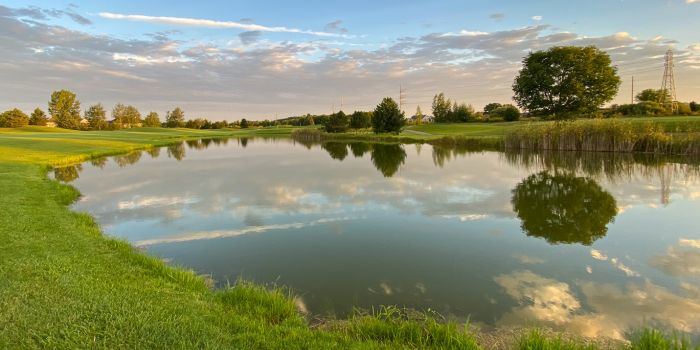
It’s your own private corner of the world, free from the noise and distractions of public spaces.
Planning and Building Your Fishing Haven
Creating your own fishing pond requires careful planning and execution. The decisions you make during this phase will determine the long-term success and enjoyment of your pond. From choosing the right location to deciding on the construction method, each step is crucial.
Select the Perfect Site
The first and most important step is selecting the right location. Situate your pond in an area that receives adequate sunlight to support aquatic plant life. Consider the natural topography of your land; a low-lying area can be a natural choice for a pond, as it may already collect water. The soil composition is also a critical factor. Clay-based soils are ideal because they hold water well, whereas sandy or rocky soils will require a synthetic liner.
You will also need to think about the size and depth of the pond. A larger, deeper pond will support a more diverse and stable ecosystem, but it will also require more significant excavation and investment. A depth of at least eight to ten feet in some areas will provide fish with a refuge from both summer heat and winter ice.
Construction: DIY or Professional Help
Once you have a plan, you need to decide how to build the pond. For smaller ponds, a do-it-yourself approach can be a viable option if you have the right equipment and are comfortable with heavy labor. This approach typically involves renting an excavator to dig the pond, shaping the banks, and installing a pond liner if the soil requires it.
However, for larger or more complex projects, hiring a professional pond contractor is often the best choice. Professionals bring experience and specialized equipment to the job, which can save you time and prevent costly mistakes. They can help with every aspect of the project, from initial site evaluation and design to excavation and the installation of essential features like aeration systems and overflow drains. While it entails a higher upfront cost, professional construction often results in a more durable, functional pond in the long run.
Maintaining a Thriving Pond Ecosystem
Building the pond is only the beginning. Proper maintenance is essential to keep your pond healthy and your fish thriving. This preservation involves monitoring water quality, managing the fish population, and performing regular upkeep to prevent problems before they start.
Keeping Water Quality in Check
Healthy fish require clean, well-oxygenated water. Regularly testing the water’s pH, ammonia, and nitrate levels will help you identify potential issues early. Simple test kits are available at most pond supply stores. An aeration system, such as a fountain or a bottom diffuser, is one of the most important investments you can make for your pond. It circulates the water and adds oxygen, which is vital for fish and beneficial bacteria.
You should also manage aquatic vegetation. While some plant life is beneficial, providing cover for fish and consuming excess nutrients, overgrowth can deplete oxygen levels. Periodically removing excess weeds and algae will help maintain a balanced ecosystem. You should address tasks like repairing a leaking lake liner to maintain water levels and prevent larger issues.
Caring for Your Fish Population
Your role as a pond owner includes stewardship of its fish population. This care starts with a responsible feeding program. While your fish will find natural food sources in the pond, supplemental feeding can promote faster growth and better health. Use high-quality fish food and avoid overfeeding, as uneaten food can degrade water quality.
Regularly observe your fish for any signs of disease or stress, such as unusual spots, lethargic behavior, or frayed fins. Good water quality and a low-stress environment are the best defenses against disease. By actively managing their habitat and diet, you help your fish population flourish.
Your Personal Angling Paradise
Owning a private fishing pond offers a level of satisfaction that few other enhancements can provide for an avid angler. The convenience of fishing whenever you please, the power to cultivate your ideal fishery, and the daily enjoyment of a peaceful water feature make it a truly worthwhile investment. From the initial planning stages to the ongoing maintenance, creating and managing a pond connects you more deeply with the environment and your hobby.
Here in Round Rock, we have Meadow Lake, Bright Lake, and Brushy Creek stocked with fish. Discover the freshwater fish species found in Texas.
A current Texas fishing license is required to fish all Round Rock area lakes. License options are available for Texas residents and nonresidents, including annual and one-day fishing licenses. You can purchase a license online through the Texas Parks and Wildlife Department website, as well as at most bait shops and sporting goods stores. License retailers in Round Rock include Walmart, Bass Pro Shops, and Academy Sports + Outdoors.
The Texas Parks and Wildlife Department publishes an annual guide to fishing rules and regulations, which is available online and in print from locations where fishing licenses are sold.