
How To Create a Relaxing Patio for Your Texas Home
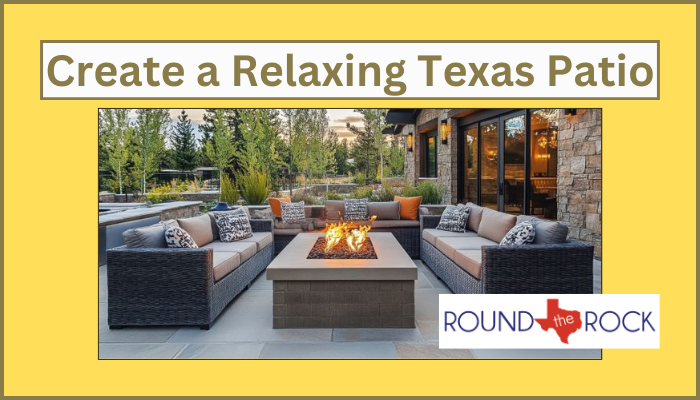
Do you want to make your outdoor space the best part of your house? We can help! Learn how to create a relaxing patio for your Texas home here.
A great patio turns “too hot to go anywhere” days into the kind of evenings people look forward to. In Round Rock and across Central Texas, the best outdoor spaces stay comfortable through long summers, hold up through surprise storms, and invite everyone to linger a little longer.
The trick is to design for Texas conditions first, then layer in the details that make the space feel calm. Keep reading, and we’ll show you how to create a relaxing patio for your Texas home.
Start With Comfort: Shade, Airflow, and Surfaces
Texas sun can overwhelm a patio by late morning, even in spring. Shade solves the problem faster than any other upgrade, and it shapes the whole mood of the space.
Choose shade that matches how you live
A pergola filters light and creates a structure to make the space feel more like a room. Add a slatted top for dappled shade or mount a canopy that you can extend when the sun hits hardest. An awning works well for patios that need dependable coverage and quick deployment.
Even mature trees can contribute more than people realize. If a patio sits near a live oak or cedar elm, arrange seating so the tree’s shadow hits the main hangout area during the hottest part of the day. When a tree does the work, the patio feels naturally comfortable rather than engineered.
Create airflow on purpose
Still air makes heat feel heavier. If the patio includes a roof or pergola, install an outdoor-rated ceiling fan and position seating to catch the breeze. For open patios, aim for cross-ventilation by avoiding solid walls on all sides.
Tall planters and screens can add privacy without trapping hot air. If a patio backs up to a fence, leave visual breaks or choose a lattice-style screen so air still moves.
Pick surfaces that stay pleasant underfoot
Some materials absorb and radiate heat well into the evening. When replacing or adding surfaces, choose lighter colors where possible. If the patio includes areas of stone or concrete that get full sun, consider adding an outdoor rug in the seating zone to reduce heat and soften the look. If a walkway leads to the patio, add stepping stones through gravel or groundcover to keep the approach clean and calm.
Plan the Layout Like an Outdoor Living Room
The layout is crucial when creating a relaxing patio for your Texas home. The patio should guide people naturally from the door to the seating area, then to food and drinks, without forcing anyone to squeeze around furniture.
Define zones without crowding
Place the primary seating area closest to the door for everyday use. If space allows, tuck a small bistro set or two chairs in a second spot for quiet mornings or a separate conversation. When families gather, multiple zones prevent everyone from stacking into one tight cluster.
Keep a clear path through the patio so people can carry plates and drinks without weaving. When the layout feels intuitive, guests settle in faster, and the space stays tidy longer.
Scale furniture to the space and the season
Oversized seating can swallow a modest patio. Choose pieces that allow knee room and easy movement. In Texas, furniture also needs to handle sudden rain and long stretches of sun. Look for frames meant for outdoor use and cushions that dry quickly. If kids and pets use the space, durable upholstery and easy-clean surfaces matter more than delicate textures.
Choose Materials That Handle Texas Weather
Heat, humidity swings, wind, and UV exposure punish outdoor materials. A relaxing patio stays low-maintenance because the materials work with the climate instead of fighting it.
Focus on what you can maintain consistently
If the patio belongs to a busy household, select finishes that look good with simple upkeep. If the household enjoys seasonal refreshes, softer woods and more delicate textiles can work, but they require attention.
When choosing outdoor furniture materials, two of the most common options for outdoor furniture are teak and polywood. Consider whether you want something that offers a natural look, but requires more maintenance, or something more durable that may not have the organic feel of natural wood.
Add softness without adding stress
Outdoor textiles change how a patio feels. They also create the biggest maintenance burden if they stay wet or fade quickly. Choose UV-resistant fabrics and store cushions during heavy rain weeks. If storage space stays tight, use cushions that dry fast and keep a weather-resistant bench or deck box nearby.
For a calmer look, stick to a small color palette. Neutral cushions with one accent color create a spa-like mood and keep replacement shopping simple later.
Use Planting to Make the Patio Feel Cooler and More Private
Plants soften the hard edges of patios and help shelter the space. In Central Texas, the right plants can also reduce glare and create a sense of enclosure that feels restful.
Choose low-maintenance, heat-tolerant options
Use hardy container plants that tolerate heat and irregular watering. Group pots by water needs so care stays straightforward. If the patio gets strong afternoon sun, place taller plants on the west side to block glare and warm light when it matters most.
Herbs can pull double duty. Rosemary, basil, and mint add fragrance and offer quick additions to meals and drinks. Even small planters can make the patio feel more alive and personal.
Build privacy without building a wall
A patio feels more relaxing when you have more privacy, especially if you have neighbors just feet away. Instead of building a large and unsightly privacy fence or wall, use tall planters, trellises, or layered greenery to create screening at eye level. This approach preserves airflow and feels natural.
Light the Patio for Calm Evenings
Lighting determines whether a patio feels inviting or harsh after sunset. The goal is gentle, atmospheric light that supports conversation and safety without turning the patio into a spotlight.
Layer light in the same way you would indoors
Use warm-toned string lights or soft overhead fixtures to create an ambient glow. Add a table lamp designed for outdoor use or a lantern-style light near seating to make faces look natural. Illuminate steps and paths subtly so people move safely without glare.
Avoid overly bright, cool-white bulbs. Warm light signals relaxation and makes outdoor spaces feel cozy rather than utilitarian.
Make It Personal, Then Make It Easy
The most successful patios reflect how a household lives. Some families want a place for movie nights and weekend gatherings. Others want quiet coffee mornings and space to read. Design choices should support that goal, and then remove friction.
Start with shade and airflow, and then choose materials that handle Texas weather and create maintenance routines that fit real schedules. Add plants and lighting that make evenings feel gentle. When these pieces come together, a relaxing patio in Texas stops being a project and starts being part of daily life.
Want to start a bigger garden to extend your patio zen? Click below to see how to begin with great info fro our friends at DiamondB.