Spring Fishing Tips for a Successful Trip to the Lake
Make your next spring lake trip more productive with smart fishing tips on timing, lure selection, water temperature, and finding where fish move in the season.
Spring brings a fresh start for anglers, and the lake can feel full of promise after a long winter. Fish begin to move more, water conditions change from week to week, and every trip offers a new chance to learn what works.
That mix of movement and unpredictability makes spring one of the most exciting times to fish. It also means anglers need to pay close attention to timing, weather, location, and presentation to have a productive day on the water. These spring fishing tips will help you have a successful trip to the lake.
Watch the Water Temperature
Water temperature shapes fish behavior in spring more than most people realize. Early in the season, fish often hold in deeper areas where temperatures stay more stable, but they start moving toward shallower zones as the lake begins to warm.
That shift does not happen all at once, so a successful trip often depends on reading the stage of the season. On colder days, fish may stay sluggish and hold close to structure, but on warmer afternoons, they may move into coves, flats, and shoreline pockets to feed more actively.
Focus on Transition Areas
Spring fish rarely scatter at random. They tend to move along routes that connect deeper winter holding spots to shallower feeding or spawning areas, and that makes transition zones especially important.
Points, drop-offs, creek channels, and the edges of flats all deserve attention. Those areas give fish a place to pause and adjust, and they often attract bait as well. If one stretch of water looks quiet, move to another nearby transition area and keep working until you find activity.
Fish at the Right Time of Day
Spring weather can change quickly, and fish often react to those changes in noticeable ways. A chilly morning may produce a slow bite, while the same spot may come alive after the sun warms the water for a few hours.
Midmorning through late afternoon often produces better results in early spring, especially after a cool night. As the season progresses and water temperatures rise, early morning and evening can become more productive. Paying attention to daily warming trends can help you decide when to stay patient and when to move.
Match Your Presentation to Conditions
Spring fishing rewards anglers who stay flexible. Fish may respond to slower presentations one day, and chase faster-moving baits the next, depending on water temperature, clarity, and wind.
That’s why it helps to start with a range of options and adjust as the lake reveals its patterns. If fish seem hesitant, slow down and work the bait more deliberately. If they appear active around baitfish or shoreline cover, cover water faster and experiment until you find the best rhythm.
Pick Lures With Purpose
Lure choice matters in spring because fish can shift moods quickly. Natural-looking options often work well in clear water, while brighter or louder baits can help in stained water or windy conditions.
When you choose the right fishing lure for the depth, speed, and visibility of the day, you give yourself a much better chance of drawing strikes. Soft plastics, jerkbaits, spinnerbaits, jigs, and shallow-running crankbaits all have a place in spring, but the best choice depends on how fish position themselves and how actively they feed.
Pay Attention to Wind and Weather
A calm, bright day and a breezy, overcast day can fish like two different seasons. Wind can push baitfish toward certain banks, stir up food, and make predatory fish more aggressive.
Instead of avoiding wind altogether, look for places where it improves the feeding setup without making boat control impossible. Incoming weather can also trigger feeding windows, so it pays to watch cloud cover, changing pressure, and warming trends before and during the trip. A small weather shift can change the bite more than many anglers expect.
Use Shoreline Cover Wisely
As spring progresses, shoreline cover becomes more important. Fallen trees, docks, reeds, brush, and rocky banks often hold fish because they offer shelter, shade, and feeding opportunities.
Make repeated casts from different angles if the area looks promising. Fish often hold tighter to cover in spring, especially when temperatures swing from one day to the next. A patient approach around these targets can turn a slow outing into a solid one.
Keep Moving Until You Find a Pattern
One of the biggest mistakes anglers make in spring is staying too long in unproductive water. Fish move throughout the season, and even the best-looking area may not hold them at that moment.
Successful anglers keep testing different depths, structures, and sections of the lake until they notice a pattern. Maybe fish want a windblown bank, a secondary point, or a shallow cove with slightly warmer water. Once that pattern becomes clear, the trip often improves quickly because you can repeat the same conditions in other areas.
Bring the Right Gear
Spring conditions can shift from cold and damp to sunny and warm in a matter of hours, so preparation matters. Dress in layers, keep rain gear close, and bring gear that fits the water and species you plan to target.
A well-organized tackle setup also saves time and frustration. If you can switch presentations quickly, retie when needed, and keep essential tools within reach, you can spend more time fishing and less time sorting through clutter. That kind of readiness helps you stay focused when the bite turns on.
Stay Quiet and Observant
Spring lakes often reward anglers who pay close attention to small details. Surface movement, baitfish flickers, bird activity, water color changes, and subtle temperature differences can all point you toward better water.
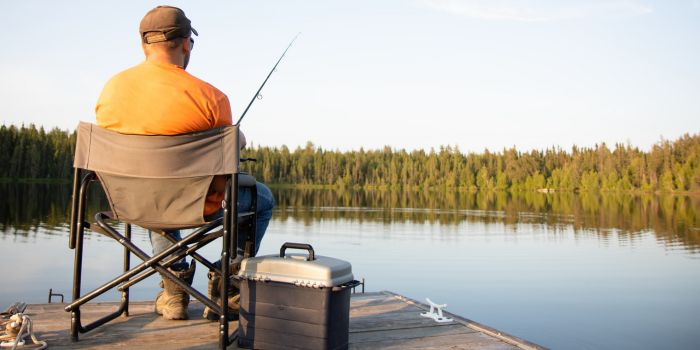
Noise control matters too, especially in shallower areas where fish may spook more easily. Move with intention, keep unnecessary noise to a minimum, and let the lake tell you what it needs. Many good decisions come from observation long before the next cast.
Respect the Season
Spring can bring pre-spawn and spawning activity depending on the region, species, and timing. That makes it important to fish responsibly, follow local regulations, and handle fish with care.
A successful trip is not only about numbers. It is also about reading the season well, making smart choices, and enjoying the rhythm of a day on the lake. Respect for the fishery keeps spring fishing strong and rewarding year after year.
End the Day Smarter Than You Started
A great spring fishing trip doesn’t always mean nonstop action. Sometimes it means learning how fish reacted to warming water, where they held during a cold front, or which presentation made them commit.
Those lessons build over time, and they make every future outing better. When you pay attention to water temperature, transition areas, daily timing, lure choice, and weather patterns, you give yourself a stronger chance at success. Spring rewards anglers who stay patient, stay observant, and keep adapting, and that is what makes a day at the lake so satisfying.
If you are looking to take things to the next level, check out this locally owned business that specializes in fly-fishing gear, education, and trips.