
The Future of Solar Technology in Consumer Electronics
The future of consumer electronics is the sun. Here, we outline the emerging technologies that are shaping the future of solar power for consumer electronics.
We’ve all felt that mini panic when a battery hits 5% at the worst time. You’re heading to a game, managing kids on the go, or stuck in traffic, and suddenly your phone becomes useless. For years, “solar charging” sounded like a gimmick that worked only in perfect conditions. Now, it’s becoming a real feature that could matter for everyday life in Central Texas.
Round Rock gets plenty of sunshine, and that reality is shaping how people think about power. The next wave of consumer electronics is moving beyond cords and outlets toward devices that can harvest energy from light. Keep reading to understand the future of solar technology in consumer electronics.
What Solar in Consumer Electronics Looks Like Right Now
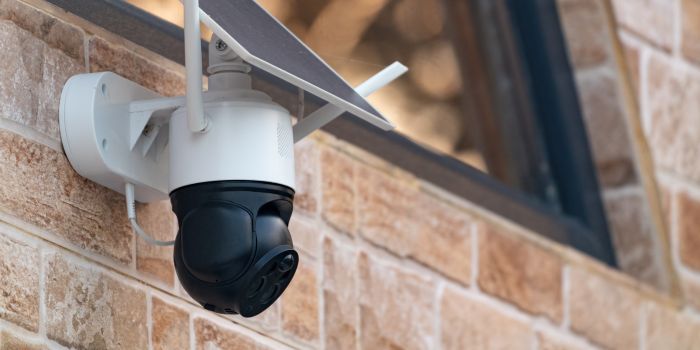
Solar tech in gadgets isn’t brand-new, but it has mostly lived on the fringes. You may have seen small solar panels on camping chargers, outdoor lights, or emergency radios. Traditional silicon panels work, but they’re rigid, visually obvious, and typically need strong direct sunlight to be useful.
That’s why many solar products still feel like compromises. Solar phone cases can add bulk, portable panels can be slow, and charging can drop off fast in shade or cloudy weather. The idea is appealing, but the experience hasn’t always matched the pace of modern battery-hungry devices.
Why The New Solar Materials Are a Big Deal
The biggest change is the materials themselves. New approaches aim to make solar collection more efficient and more flexible, so it can blend into the products you already use.
Perovskite Solar Cells
Perovskite cells are showing serious promise because they can be cheaper to manufacture and highly efficient at converting light into electricity. What’s especially interesting for everyday life is how well some versions can perform in lower-light conditions. That could make “ambient light charging” more realistic for daily routines, not just outdoor adventures.
Thin-Film and Flexible Solar
Flexible solar layers can bend and contour around surfaces instead of sitting like a rigid slab. That opens the door for wearables and accessories that quietly generate power while you’re out and about. Think straps, bands, and curved device surfaces where a traditional panel would never fit.
Transparent or “Hidden” Solar
Another trend is solar that doesn’t look like solar. Researchers are exploring ways to capture certain wavelengths of light while keeping screens and surfaces visually clear. If that keeps improving, future phones and tablets may be able to harvest energy without changing their look.
Why Round Rock Families Might Care Most
There are many reasons that Round Rock families should care about the future of solar technology in consumer electronics. From more reliable power to better options for outdoor gear, solar power’s future excites many possibilities.
More Reliable Power During Busy Days Out
Families spend time in parks, at community events, and on day trips across Central Texas. If devices can top off passively throughout the day, it reduces the need to carry extra battery packs or hunt for outlets. Even a small “trickle charge” can be the difference between a phone dying and getting you home smoothly.
Better Options for Outdoor and Travel Gear
Solar is already common in outdoor products, but new materials could make gear lighter, more durable, and easier to use. That matters for weekend hikes, camping trips, and long days in the Texas sun. As products improve, solar becomes less of a “specialty add-on” and more of a normal feature.
Fewer Disposable Batteries in the House
Many households still rely on disposable batteries for remotes, sensors, small lights, and kids’ gadgets. A future where more small devices can charge from indoor or ambient light could reduce waste and save money over time. It also means fewer last-minute battery runs when something stops working.
🤝 The RTR Connection
At Round the Rock, we’re always looking at how everyday innovations fit into real life for our community. Around here, a typical day might include school drop-offs, errands, park time, and evening activities—so small conveniences, like a little extra battery life, can make a big difference. As technology evolves, it’s exciting to see how it can support the way Round Rock families live, work, and stay connected.
The Behind-The-Scenes Innovation Making This Possible
Better solar performance isn’t only about the solar layer itself. It’s also about how manufacturers build and protect these materials so they can survive in real life.
Cleaner, Stronger Bonding Between Layers
Advanced manufacturing techniques help solar films adhere to device housings more reliably. Surface prep processes like plasma treatment play a key role in the solar industry by cleaning and activating materials at a microscopic level so coatings stick longer and resist peeling. That durability is crucial if solar components are going to live on wearables, bags, or devices that get handled constantly.
Nano-Scale Tricks to Capture More Light
Scientists are also using nano-structures that help solar materials trap and reuse photons instead of letting light bounce away. The goal is a higher yield from smaller surfaces, which is exactly what compact electronics need. This is a major reason solar could move from “nice idea” to “actually helpful” on everyday gadgets.
The Big Challenges Solar Still Has to Solve
Solar won’t replace wall charging overnight. The most important limitations are still real, and it helps to understand what’s changing versus what’s hype.
Limited Surface Area
Phones and earbuds simply don’t have much real estate for solar collection. That’s pushing innovation toward higher-efficiency materials and creative placement. It’s also why many near-term wins may show up first in accessories and wearables.
Shade, Weather, and Real-World Use
Even in sunny places, people spend time indoors, in cars, and in shade. Manufacturers are responding by designing systems that perform better in mixed light conditions. Some future devices may also combine solar with other energy sources, like motion or heat, to keep power flowing when sunlight isn’t available.
Expectations Versus Reality
A solar-enabled device may not “charge like a wall plug,” and that’s okay. The most useful version of solar for many gadgets is a steady background boost that extends battery life and reduces how often you need to plug in. Setting the right expectations is what will make adoption feel like progress instead of disappointment.
🔌 Real Talk
Solar won’t replace charging your devices—but it can extend battery life and give you a little extra time when you need it most.
What To Watch Over the Next 5–10 Years
Over the next decade, expect solar features to become more common in smaller devices that currently rely on coin cells or frequent charging. Self-charging sensors and low-power smart devices are likely to see the fastest progress. For families, that could mean fewer interruptions and less maintenance across the house.
For bigger devices like phones and laptops, the shift will likely be gradual. The “win” may be longer battery health, fewer emergency low-battery moments, and less dependence on outlets during the day. The goal isn’t to eliminate charging entirely, but to make charging feel less urgent and less constant.
A Brighter, Easier Future for Everyday Power
Solar-powered consumer electronics are moving from novelty to normal, and that shift matters in places like Round Rock, where life happens on the go. As materials improve and designs get smarter, solar becomes less about showing off a panel and more about quietly removing friction from daily routines. That’s good news for families juggling busy schedules and for local organizations looking to connect with the community.
If you’re a Round Rock business or nonprofit and want to reach families who care about practical, local living, Round The Rock is where those conversations happen.

