

Understanding Texas ESAs/TEFAs: What Round Rock Families Need to Know
Local guidance to help Round Rock families understand Texas Education Savings Accounts, school vouchers, and evolving education choices.
As education policy continues to evolve in Texas, many Round Rock families are seeking clear, local guidance on what these changes mean for their children. One of the most talked-about developments is the Texas Education Savings Account (ESA) program, officially known as Texas Education Freedom Accounts (TEFAs), often referred to as school vouchers.
At Round the Rock, our goal is to help families navigate important community topics with clarity and context. That’s why we’ve partnered with ESTEAM EDU to bring Round Rock families a dedicated series exploring how Texas ESAs work, what families should consider now, and how these changes may impact local education options. This four-part series is designed to provide practical, community-focused information to help parents make informed, confident decisions.
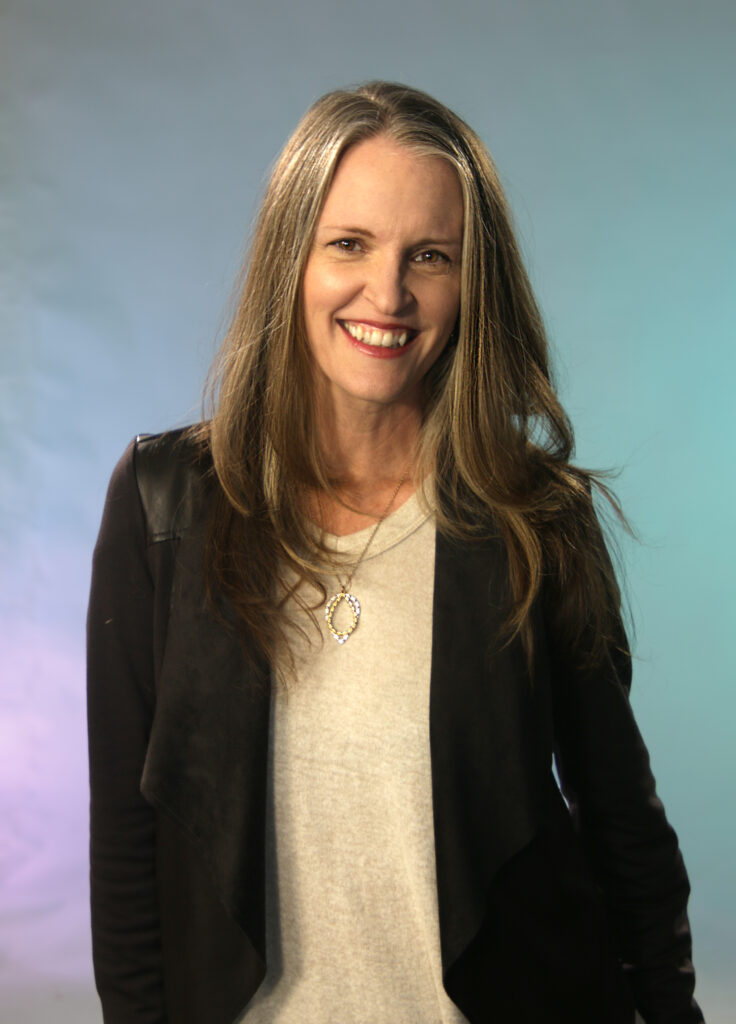
Meet the expert!
Nicholle Walton-Durban
Founder of ESTEAM Academy & ESTEAM EDU Mom of Three
Part 2: Education Choice Didn’t Start With TEFA — It’s Been Growing in Our Backyard for Years
By Nicholle Walton-Durban
When people hear about Texas Education Freedom Accounts (TEFA), the conversation often focuses on what’s new — new funding, new rules, new possibilities.
But there’s an important truth that deserves more attention:
Education choice in Texas didn’t begin with TEFA.
It has been growing quietly for years — right here in our own communities.
In places like Round Rock and across the greater Austin area, families already rely on a rich and diverse education ecosystem. Microschools (like ESTEAM Academy), private schools, homeschool co-ops, hybrid programs, tutoring centers, enrichment programs (like ESTEAM Learning Labs), and learning support services are not fringe alternatives. They are established, community-based options that families use every day to support their children.
TEFA didn’t create this ecosystem.
It expands access to it.
The Ecosystem Families Already Navigate
For years, families in Central Texas have been building personalized learning paths — often without realizing they were participating in an ecosystem.
A learner may attend a small microschool for core academics, receive tutoring in a specific subject, participate in STEM or arts enrichment, and access speech or learning supports as needed. Others blend homeschool curriculum with co-ops, athletics, and enrichment programs.
This is not theoretical.
It is how education already works for many families.
What’s changed is not the existence of choice, but the growing recognition that learning doesn’t live in a single building or follow a single model — and that families deserve meaningful access to the full range of options around them.
Why Ecosystems Matter More Than Ever
Education is often framed as an “either/or” decision:
public or private,
school or homeschool,
one model or another.
But families don’t live in binaries. They live in blended realities.
Strong education ecosystems:
- Honor that children learn differently
- Allow learning paths to evolve over time
- Encourage collaboration instead of competition
- Support the whole child — academically, socially, and emotionally
Round Rock and Greater Austin already have a strong ecosystem in place. What has been missing for many families is visibility and access.
That’s where TEFA plays a meaningful role.
What TEFA Actually Does
Education Freedom Accounts do not mandate new schools or dismantle existing systems. They don’t tell families what to choose or educators how to teach.
Instead, TEFA:
- Expands access to options families already use
- Supports customization rather than standardization
- Keeps education dollars circulating locally
- Empowers parents to make informed, child-centered decisions
In short, TEFA strengthens ecosystems by making them more inclusive.
Beginning February 4, 2026, parents can submit applications for the Texas Education Freedom Accounts (TEFA) program. Education freedom accounts are designed to open doors, expand opportunities, and give each Texas child the chance to learn in the environment that fits them best. First awards will be available to participating children for the 2026-27 school year.
Helping Families See What’s Already There
One of the most powerful things communities can do right now is help families see the ecosystem that already exists in their backyard.
When parents understand the range of options available, they begin asking better questions:
- What environment helps my child thrive?
- Where does my child need more support — or more challenge?
- How can we build a learning path that grows with our child?
To support that clarity, we’re sharing a Round Rock & Greater Austin Education Ecosystem Directory as a public resource. It highlights schools, programs, and supports already serving families — not as endorsements, but as visibility.
Because informed families make better decisions.
An Invitation to Learn, Not to Divide
TEFA is not about choosing sides or declaring one model superior to another. It’s about acknowledging a reality that already exists:
Learning happens everywhere.
Our shared responsibility — as parents, educators, and community members — is to ensure families have the information and access they need to navigate education wisely. To learn more, join us at one of our upcoming Virtual TEFA Information Sessions.
Education choice didn’t start with TEFA.
But TEFA gives us an opportunity to recognize, support, and strengthen the ecosystem that has been growing here all along.
Ready to Explore What’s Possible?
If you’re curious about:
- What education options look like in Round Rock
- How TEFA works in everyday practice
- How families combine core learning with supplemental supports
We’ve put together two FREE parent resources to help you explore with clarity:
📘 Parent TEFA Starter Guide — downloadable PDF to walk you through the basics
📊 Round Rock & Greater Austin Education Ecosystem Directory — see who’s already here and how families use options
👉 Download both to stay informed and armed with knowledge
And don’t forget — you can book an intro session with us where you can ask questions live and learn from local experts.
About the Author
Nicholle Walton-Durban is the Founder of ESTEAM Academy, a learner-driven microschool, and ESTEAM EDU, an education consulting organization supporting families and school leaders.
She is a mother of three and has spent the last decade helping reimagine education through agency, accountability, and purpose-driven learning.
Connect with Nicholle through the following channels:
Email: nicholle@esteamedu.com
Phone: 310.384.3391
Website: esteamedu.com
Website: esteamacademyrr.com
LinkedIn: Nicholle Walton Durban
Instagram: nicholle_walton_durban
Facebook: Nicholle Walton Durban
This article is part of Round the Rock’s ongoing series, Understanding Texas ESAs/TEFAs: What Round Rock Families Need to Know, created in partnership with ESTEAM EDU. The content is provided for informational and community-focused purposes only.
Round the Rock does not advocate for or endorse specific education policies, programs, schools, or choices. Views expressed by contributing authors and partners reflect their own perspectives and are shared to help provide clarity, context, and expert insight for families navigating evolving education topics.
Families are encouraged to conduct their own research and consult qualified professionals when making education decisions. Round the Rock remains committed to offering clear, local information so families can make confident choices that best serve their individual needs.